

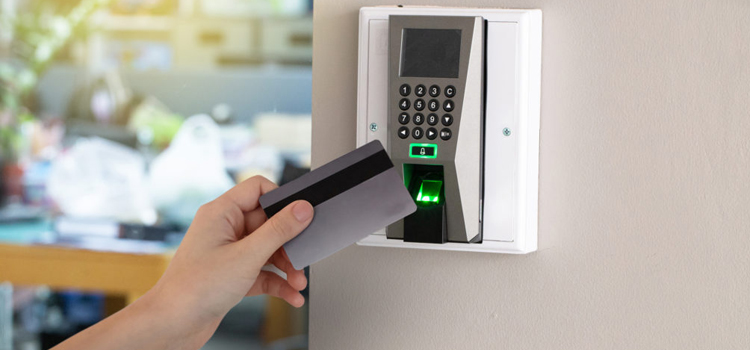
Security is a major concern for homeowners, businesses, property managers, and organizations in Oakville. As properties become more connected and security risks continue to change, traditional keys are often no longer enough. Modern access control systems provide a smarter way to manage who can enter a building, when they can enter, and which areas they can access. This is where access-control-oakville solutions can make a meaningful difference.
Access control is more than simply locking a door. It combines electronic locks, credentials, entry readers, security software, and monitoring tools to create a controlled entry environment. Instead of giving every person a physical key, property owners can assign access based on individual needs. This makes it easier to protect offices, homes, warehouses, apartment buildings, retail stores, schools, and other facilities.
A well-designed access control system can also improve convenience. Authorized users may enter with a key card, key fob, PIN, mobile device, biometric credential, or other approved method. When someone leaves an organization or no longer needs access, their permission can be removed without changing every lock.
For Oakville property owners, choosing the right access control solution means considering the size of the property, number of users, security requirements, entry points, and future needs. With the right planning and professional installation, modern door access control can provide strong security while remaining simple for everyday users.
Understanding Access Control Systems in Oakville
An access control system is a security solution designed to control entry into a building or restricted area. The basic idea is simple: a person must present an approved credential before the system allows access. The system checks that credential and decides whether the person has permission to enter.
Modern access control can use several types of credentials. Key cards and proximity cards are common in offices and commercial properties because they are easy to issue and manage. Key fobs are also popular for apartment buildings, gated facilities, and smaller businesses. PIN-based systems allow users to enter a code, while mobile access systems can let authorized users unlock doors with a smartphone.
Biometric access control adds another layer of security by using physical characteristics such as fingerprints or facial recognition. These systems can be useful in areas where organizations need tighter control. However, biometric technology should be selected carefully because privacy, system compatibility, and local requirements should be considered.
A complete access control installation usually includes more than an electronic lock. Depending on the property, it may include card readers, door controllers, electric strikes, magnetic locks, request-to-exit devices, power supplies, access management software, and monitoring equipment. These components work together to determine whether a door should remain locked or allow entry.
One of the biggest advantages of electronic access control is centralized management. Instead of physically collecting keys, an administrator can often update user permissions through management software. This can save time and make security administration easier.
For example, imagine a company with 50 employees. With traditional keys, the business may need to track dozens of physical keys and replace locks when keys are lost. With an electronic access control system, employees can receive individual credentials. If one credential is lost, it can be disabled without replacing every lock.
This level of control is one reason access-control-oakville services are useful for properties that need both security and convenience. The system can be designed around the actual needs of the building rather than using the same setup for every property.
Benefits of Access Control for Homes and Businesses
Access control can provide several important benefits for Oakville properties. The first is improved control over entry. Property owners and managers can determine who has permission to enter specific doors or areas. This is especially valuable when a building has employees, tenants, contractors, visitors, or service providers.
Traditional keys can be difficult to manage because they are easily copied, lost, or shared. Electronic credentials provide greater control. A user can receive access for a specific schedule, and that access can later be changed or removed.
Another benefit is improved accountability. Many access control systems can record entry events, depending on the system design and configuration. This may allow authorized administrators to review information about when credentials were used. Such records can be useful for security reviews and facility management.
Businesses can also use access control to separate public and restricted areas. A receptionist may need access to the front office but not a server room. A warehouse employee may need access to storage areas but not administrative offices. Access permissions can be designed around job roles and security requirements.
Apartment buildings and residential communities can benefit as well. Instead of providing physical keys to every resident, property managers can use fobs, cards, or other credentials. When a resident moves out, their access can be removed. Shared areas such as gyms, parking entrances, storage rooms, and amenity spaces can also be managed through controlled entry.
Homeowners may use access control for gates, garages, exterior doors, or private rooms. Smart locks can provide convenience while allowing homeowners to manage digital credentials. However, residential systems should still be selected based on reliability, power backup, connectivity, and the overall security of the property.
Access control can also reduce the burden of managing employee turnover. When an employee leaves, their credential can be disabled quickly. When a new employee joins, the appropriate permissions can be assigned without physically creating another key.
For businesses with multiple locations, networked access control can provide even greater convenience. Authorized administrators may be able to manage different doors and locations through a central platform, depending on the technology being used.
Another important benefit is integration. Modern access control solutions can sometimes work alongside video surveillance, alarm systems, intercoms, visitor management, and building automation. When systems communicate effectively, property managers can create a more complete security environment.
The goal should not simply be to install the most advanced technology available. The best system is one that matches the property’s actual risks, daily operations, and budget. A professional access control assessment can help determine which features are genuinely useful.
Choosing the Right Door Access Control Solution
Every property has different security needs, so selecting an access control system requires careful planning. A small office may need a simple card reader and electronic lock, while a large commercial facility may require multiple doors, user groups, surveillance integration, and centralized management.
The first factor to consider is the number of entry points. A property with one controlled door has very different requirements from a facility with dozens of entrances. Each controlled opening may require hardware, wiring, power, readers, and programming.
The number of users is another important consideration. A system for ten people can be relatively simple. A system for hundreds or thousands of users may require advanced software that makes credential management easier.
The type of property also matters. A retail store may need controlled access to stockrooms and offices. An industrial facility may need stronger protection around equipment or restricted areas. An apartment building may prioritize resident convenience and visitor access. A healthcare or professional facility may need access restrictions based on departments and working hours.
Credentials should also be considered. Key cards and fobs are convenient for many environments. Mobile access can provide flexibility for users who already rely on smartphones. PIN systems can be useful in certain settings, while biometric systems may be appropriate for higher-security areas.
Another important issue is door hardware compatibility. Not every electronic lock works with every door. Existing frames, door materials, hinges, panic hardware, fire safety requirements, and electrical conditions can affect which hardware should be installed.
Professional installation is especially important for this reason. Poorly installed access control equipment may create reliability problems or even interfere with normal emergency exit functions. A qualified installer can assess the existing doors and recommend suitable hardware.
Property owners should also think about power failures. Some systems require backup power so that security functions continue during an outage. The correct response during a power failure depends on the property, door type, safety requirements, and system design.
Network security should not be overlooked either. Internet-connected access control systems should be properly configured and protected. Strong passwords, controlled administrator access, software updates, secure networks, and regular system reviews can help reduce cybersecurity risks.
A good access control provider should explain how the system works rather than simply recommending equipment. Property owners should understand how users are added, how credentials are disabled, how access reports work, what happens during power or network failures, and how maintenance will be handled.
This approach helps ensure that access-control-oakville solutions are practical, dependable, and appropriate for long-term use.
Access Control Installation, Maintenance, and Upgrades
Proper installation is an important part of any access control project. Even high-quality equipment can perform poorly if it is installed incorrectly. The process normally begins with an assessment of the property and its existing doors, electrical systems, network infrastructure, and security needs.
During an assessment, an installer can identify which entrances should be controlled and what type of hardware may be appropriate. The goal is to create a system that provides security without making normal access unnecessarily difficult.
Installation may involve mounting card readers, connecting electronic locks, installing door controllers, running wiring, configuring software, and testing communication between different components. Depending on the project, integration with cameras, alarms, intercoms, or other security systems may also be possible.
Testing is an important final step. Each credential should be checked to make sure it provides the correct level of access. Doors should also be tested for proper locking and unlocking, exit functions, and system communication.
Maintenance helps keep an access control system dependable over time. Electronic components can experience wear, batteries can fail, and software may require updates. Doors can also shift or become misaligned, which can affect electronic locking hardware.
Regular system reviews are useful for businesses and property managers. User accounts that are no longer needed should be removed or disabled. Temporary credentials should have appropriate expiration dates. Administrator permissions should also be limited to people who genuinely need them.
Upgrading an older system may be a better option than completely replacing it. Some properties already have useful wiring or compatible door hardware that can support modern technology. A professional assessment can determine whether existing components can be reused.
Technology is also changing quickly. Cloud-based access management, mobile credentials, remote administration, and stronger integration options are becoming more common. However, newer does not always mean better for every property. The right upgrade should solve a real security or management problem.
Professional support can make a major difference when a system has multiple doors or many users. If an access credential stops working or a door fails to unlock, fast troubleshooting can reduce disruption. Businesses should consider service response, maintenance options, technical support, and warranty coverage when evaluating an access control provider.
A strong security system should also be reviewed as the property changes. Renovations, new employees, additional tenants, new doors, and changes in building use can all affect access requirements. Access control should be treated as an ongoing security process rather than a one-time installation.
Why Professional Access-Control-Oakville Services Matter
Choosing professional access-control-oakville services can help property owners build a security system that fits their specific environment. While some basic smart locks can be installed by homeowners, larger or more complex systems require careful planning and technical knowledge.
Professional installers can evaluate the property before recommending equipment. This reduces the chance of purchasing hardware that does not work with existing doors, networks, or security systems.
Experience also matters when planning access permissions. A good system should provide enough security without creating unnecessary barriers for authorized users. If a system is too complicated, employees and residents may look for ways around it. If it is too simple, sensitive areas may not receive adequate protection.
Professional installation can also help ensure that door hardware, electrical components, and access software work together properly. Testing and configuration are just as important as selecting the equipment.
For commercial property owners, access control can support broader security policies. Businesses may establish different access levels for managers, employees, contractors, visitors, and service personnel. These permissions can be adjusted as responsibilities change.
Property managers can also benefit from better control over tenant access. Credentials can be issued to residents and removed when they move out. Shared facilities can have separate access schedules, helping managers maintain control over important areas.
For homeowners, modern access control can offer convenience without relying entirely on traditional keys. Smart entry solutions may allow residents to manage approved users and monitor certain access activity, depending on the system.
However, no access control system should be viewed as a complete replacement for other security measures. Strong security often comes from multiple layers. Physical locks, surveillance cameras, alarms, lighting, secure doors, visitor procedures, and access control can work together to create a more comprehensive security strategy.
Privacy should also be considered. Access records can contain information about when people enter and leave a property. Organizations should manage this information responsibly and limit access to authorized personnel.
The best approach is to begin with the property’s security goals. Ask which areas need protection, who needs access, when they need it, how access should be managed, and what should happen when credentials are lost or users leave. From there, a professional can recommend technology that supports those goals.
For Oakville property owners, the value of access control is not simply the electronic lock on a door. The real value comes from having a reliable system that makes security easier to manage every day.
Conclusion
Access control provides a practical way to manage entry while improving convenience and security. From residential properties and apartment buildings to offices, warehouses, retail locations, and larger commercial facilities, modern entry systems can be designed around the needs of the property.
The right access-control-oakville solution can help property owners control credentials, manage user permissions, protect restricted areas, and reduce the problems associated with lost or copied keys. Features such as key cards, fobs, mobile credentials, electronic locks, biometric readers, and centralized software give property managers more control over who can enter and when.
However, technology alone is not enough. A successful access control system depends on proper planning, compatible hardware, professional installation, regular maintenance, and responsible user management. It should also work alongside other security measures when needed.
Whether you are upgrading an existing system or planning security for a new property, start by understanding your specific access needs. A professional assessment can help identify the right combination of door hardware, credentials, software, and security integrations.
With thoughtful planning and reliable equipment, access control can become an important part of a safer, more organized, and more convenient property in Oakville.
