

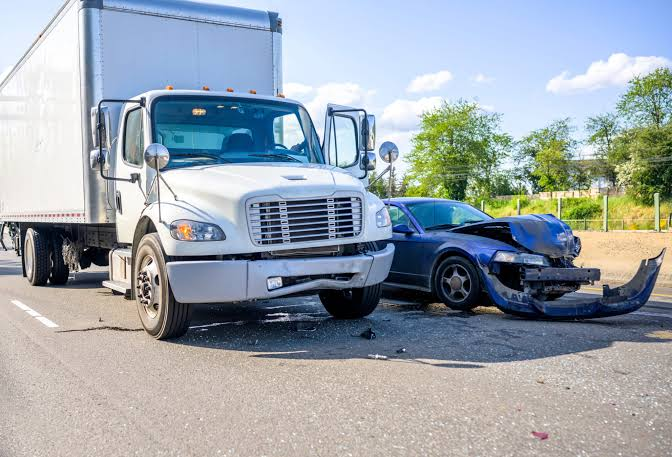
Truck accidents can change lives in a matter of seconds. A crash involving a large commercial truck often causes more serious injuries and property damage than a typical car accident. Maine’s busy highways, rural roads, changing weather, and commercial shipping routes can all create conditions where serious truck collisions occur.
If you or someone you love has been injured, understanding why the accident happened is an important first step. It can also help you understand your legal options. A Maine Truck Accident Attorney can investigate the crash, identify the responsible parties, and help an injured victim seek compensation for medical bills, lost income, pain, and other losses.
Truck accident claims are often more complicated than regular car accident cases. Several people or companies may share responsibility, and important evidence can disappear if it is not preserved quickly. This article explains some of the most common causes of truck accidents in Maine and the legal rights that may be available after a serious crash.
Driver Fatigue and Hours-of-Service Violations
Driver fatigue is one of the leading dangers in the trucking industry. Commercial truck drivers may spend long hours on the road while working under tight delivery schedules. Even though federal safety rules limit how long many truck drivers can operate without rest, violations can still occur.
A tired driver may have slower reaction times, poor judgment, or trouble focusing on the road. In severe cases, a driver may briefly fall asleep behind the wheel. When this happens in an 18-wheeler or another large commercial vehicle, the results can be devastating.
Fatigue-related truck accidents may happen when a driver ignores required rest periods, falsifies driving records, or feels pressure from a trucking company to complete a delivery quickly. A trucking company may also contribute to the problem if it creates unreasonable schedules that encourage drivers to stay on the road longer than safety allows.
After a crash, a Maine Truck Accident Attorney may examine driver logs, electronic logging device data, delivery schedules, dispatch records, and other evidence. These records can help show whether the driver or trucking company violated important safety requirements.
Fatigue can be difficult to prove without a careful investigation. Unlike speeding or a traffic violation, exhaustion may not always be obvious at the accident scene. This is one reason why injured victims should consider speaking with an experienced truck accident lawyer as soon as possible. Early action may help preserve evidence before records are lost or destroyed.
Distracted Driving and Unsafe Driver Behavior
Commercial truck drivers must stay alert and focused at all times. A few seconds of distraction can be enough to cause a serious collision. Because large trucks require more time and distance to stop, a distracted driver may be unable to avoid a sudden hazard.
Cell phone use is one common form of distracted driving. A driver who is texting, making calls, checking directions, or using another electronic device may take attention away from the road. Eating, adjusting controls, reaching for objects, or interacting with a dispatch system can also create dangerous distractions.
Other unsafe driving behaviors can contribute to truck accidents as well. Speeding is especially dangerous when roads are wet, icy, narrow, or crowded. Following another vehicle too closely can prevent a truck driver from stopping in time. Unsafe lane changes may also cause a truck to strike a smaller vehicle traveling in a blind spot.
Reckless driving can become even more dangerous because of the size and weight of a commercial truck. A fully loaded tractor-trailer can weigh many times more than a passenger car. The force of impact can lead to traumatic injuries, including broken bones, spinal injuries, brain injuries, and other life-changing harm.
A Maine Truck Accident Attorney can review police reports, witness statements, video footage, electronic data, and other evidence to determine whether driver behavior played a role in the crash. In some cases, evidence may show that the truck driver was speeding, distracted, impaired, or otherwise acting negligently.
Under Maine personal injury law, an injured person may have the right to seek compensation when another party’s negligence causes an accident. However, proving negligence requires evidence. A strong legal claim may depend on showing what the driver did, what safety rules applied, and how those actions contributed to the collision.
Poor Weather, Dangerous Roads, and Improper Vehicle Control
Maine drivers know that weather conditions can change quickly. Snow, ice, rain, fog, and strong winds can make driving more difficult, especially for large commercial vehicles. Winter weather can be particularly dangerous because trucks need significant stopping distance and may be harder to control on slippery roads.
However, bad weather does not automatically excuse a truck driver from responsibility. Commercial drivers are expected to adjust their driving to match road conditions. This may mean slowing down, increasing following distance, using extra caution, or stopping when conditions become too dangerous.
For example, a truck driver who travels too fast on an icy road may lose control and cause a collision. A driver who fails to account for heavy rain may hydroplane or be unable to stop in time. High winds can also affect empty trailers and other large vehicles.
Dangerous road conditions may create additional questions about liability. Poorly maintained roads, construction zones, missing signs, or unexpected hazards can sometimes contribute to an accident. Depending on the circumstances, responsibility may involve more than the truck driver or trucking company.
Truck accident cases can therefore require a detailed review of the entire crash scene. Investigators may examine road conditions, weather reports, vehicle damage, skid marks, traffic camera footage, and other physical evidence.
A knowledgeable Maine Truck Accident Attorney can help determine whether one or several parties may be legally responsible. Potential defendants may include the truck driver, trucking company, vehicle owner, maintenance provider, cargo company, or another negligent party.
This is one reason truck accident claims are often more complex than ordinary car accident cases. The answer is not always as simple as deciding which driver made a mistake. A careful investigation may reveal a larger pattern of safety failures.
Improper Truck Maintenance and Equipment Failure
Commercial trucks travel thousands of miles and experience significant wear and tear. Regular maintenance is necessary to keep brakes, tires, steering systems, lights, and other important equipment in safe working condition.
When maintenance is ignored, mechanical problems can lead to serious accidents. Brake failure, tire blowouts, steering problems, and defective safety equipment may cause a driver to lose control. In some cases, the truck driver may have noticed a problem before the accident but continued driving anyway.
Trucking companies and vehicle owners generally have a responsibility to maintain commercial vehicles properly. Maintenance records can become important evidence after a crash. These documents may show whether inspections were completed and whether known mechanical problems were repaired.
Equipment failure can also raise questions about product defects. If a defective part contributed to the accident, the manufacturer or another company in the supply chain may potentially share responsibility.
A truck accident investigation may involve reviewing inspection reports, maintenance logs, repair invoices, black box data, and information about the truck’s condition. In serious cases, experts may inspect the damaged vehicle to determine whether a mechanical failure contributed to the crash.
The trucking company may have access to many of these records, which can create an unfair information gap for an injured victim. A Maine Truck Accident Attorney can take steps to request and preserve relevant evidence.
It is important to remember that trucking companies may begin their own investigation immediately after a serious accident. Their insurance companies may also have representatives working to protect the company’s interests. Injured victims should be careful when dealing with insurance adjusters and should understand the full extent of their injuries before accepting a settlement.
A quick settlement offer may not account for future medical treatment, ongoing rehabilitation, reduced earning ability, or long-term pain. Understanding the true value of a truck accident claim often requires time, medical evidence, and a complete review of the losses caused by the crash.
Improper Cargo Loading and Your Legal Rights After a Truck Accident
Improperly loaded or secured cargo can create serious risks on Maine roads. Commercial trucks must carry cargo in a way that keeps the vehicle stable and prevents materials from shifting or falling onto the roadway.
If cargo is overloaded, unevenly distributed, or poorly secured, the truck may become difficult to control. Sudden shifts in weight can increase the risk of rollovers and jackknife accidents. Cargo that falls from a truck can also create dangerous obstacles for nearby drivers.
Several parties may be involved in the loading process. The truck driver may have certain inspection duties, while a shipping company, cargo loader, or other business may be responsible for preparing and securing the freight. This means more than one party may potentially share liability after a cargo-related crash.
Your legal rights after a truck accident depend on the facts of the case. If another party’s negligence caused your injuries, you may have the right to pursue compensation through an insurance claim or personal injury lawsuit. Depending on the situation, compensation may include medical expenses, future medical care, lost wages, reduced earning capacity, property damage, pain and suffering, and other accident-related losses.
If a family member dies in a fatal truck accident, surviving family members may also have legal rights under applicable Maine law. Wrongful death claims can involve different rules and damages, making experienced legal guidance especially important.
Maine follows a modified comparative negligence system, which means an injured person’s own actions may affect the amount of compensation they can recover. The specific facts of the accident matter greatly. Insurance companies may try to argue that the injured person was partly responsible, even when the truck driver or trucking company played a major role in causing the collision.
For this reason, it is important to protect evidence and avoid making assumptions about fault. Photographs, witness information, police reports, medical records, vehicle data, and video footage may all become valuable. A truck accident lawyer can also help communicate with insurance companies and evaluate whether a proposed settlement fairly reflects the damages suffered.
Understanding How a Maine Truck Accident Attorney Can Protect Your Claim
A serious truck accident can leave victims facing physical pain, emotional stress, and financial pressure. Medical appointments, hospital bills, missed work, and insurance calls can become overwhelming. During this difficult time, understanding your legal rights can help you make informed decisions.
A Maine Truck Accident Attorney can investigate the cause of the collision and identify every party that may be responsible. This may include reviewing the truck driver’s qualifications, driving history, hours-of-service records, maintenance documents, cargo records, electronic data, and company safety practices.
Legal representation can also be important because trucking cases often involve powerful insurance companies and commercial businesses. These companies may have legal teams and investigators working quickly after an accident. An injured person may benefit from having someone focused on preserving evidence and protecting their interests.
The strength of a claim often depends on the details. A driver may have been fatigued, distracted, speeding, or improperly trained. A trucking company may have failed to maintain its vehicle or ignored safety rules. Cargo may have been loaded incorrectly, or another company may have contributed to the accident.
A thorough investigation can connect these facts and create a clearer picture of what happened. It can also help establish the full value of the damages. This is especially important when injuries require long-term treatment or prevent a person from returning to their previous job.
Conclusion
Truck accidents in Maine can happen for many reasons, including driver fatigue, distracted driving, unsafe driving behavior, poor weather conditions, equipment failure, and improperly secured cargo. Because commercial trucking accidents often involve severe injuries and multiple responsible parties, the legal process can be complex.
If you have been injured in a collision with a commercial truck, acting promptly can help protect important evidence and preserve your legal options. A qualified Maine Truck Accident Attorney can review the facts, explain your rights, investigate potential negligence, and help you pursue appropriate compensation. While no legal outcome can erase the impact of a serious accident, understanding your rights can help you take the next step toward financial recovery and accountability.
