

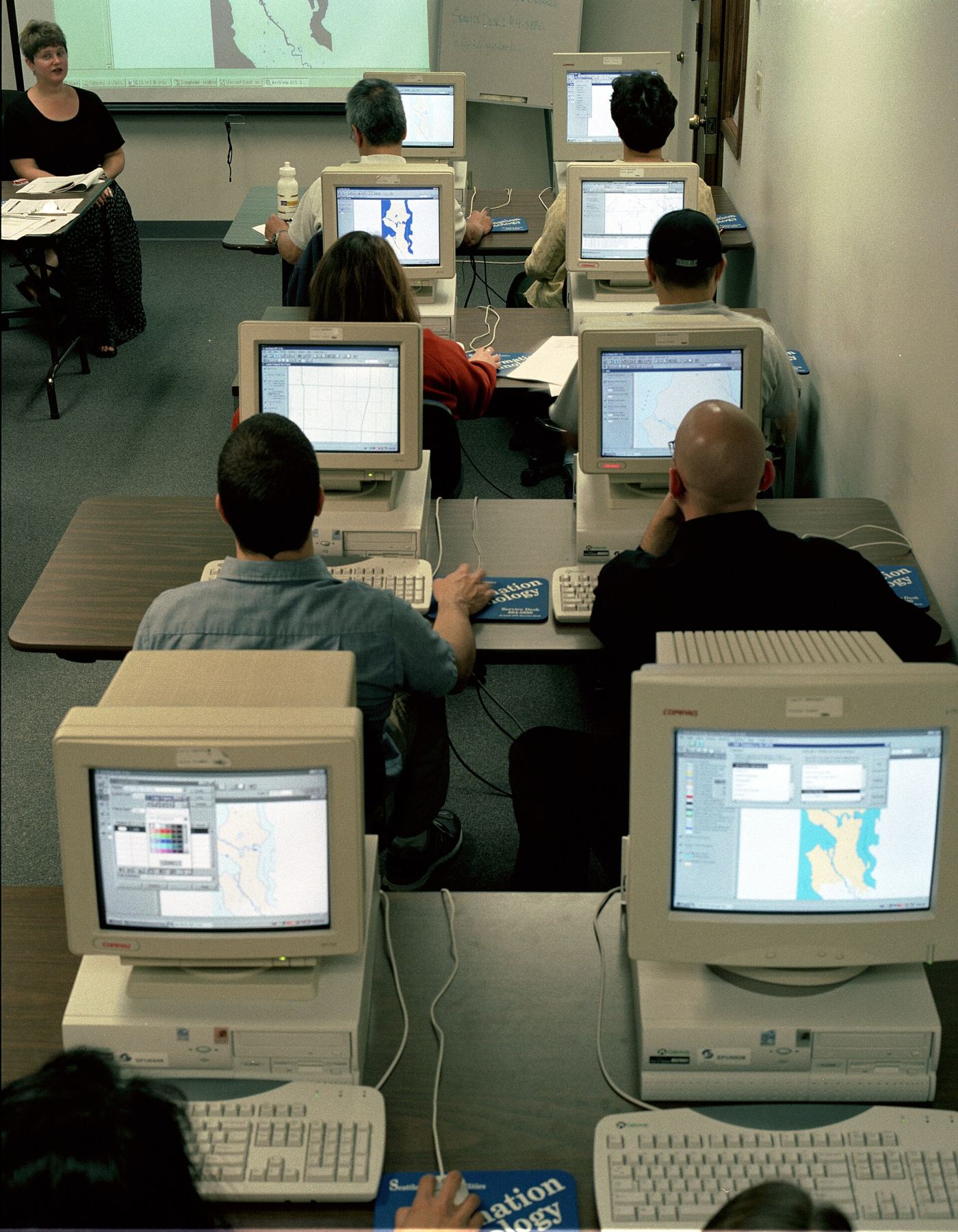
For many adults who left school before computers became commonplace, everyday tasks such as booking a doctor’s appointment, paying a bill or applying for a job now demand digital skills they were never taught. Community digital literacy classes are stepping in, offering free sessions in libraries and community centres where learners practise at their own pace with patient tutors. The classes start with the basics: using a mouse and keyboard, sending an email, and recognising the signs of a scam, before moving on to online forms and video calls. Tutors say confidence is the real barrier, not ability, and that many learners are capable of far more than they believe once someone sits beside them and explains each step. Graduates often describe the classes as life-changing, since a skill that younger people take for granted opens up services, jobs and contact with family that were previously closed to them. The need has grown as more services move online, from banking and benefits to medical appointments and job applications.
What the Evidence Shows
Funding for these classes is often short-term, leaving organisers to reapply for grants each year while demand keeps growing. Libraries have become the natural home for the sessions, since they are free, welcoming and already trusted by the communities they serve, but many need more computers and reliable internet to meet the demand. Employers are also getting involved, sponsoring classes for older workers whose roles now require basic digital skills. Researchers who study the programmes say the most successful ones pair technical teaching with practical goals chosen by the learners themselves, such as messaging a grandchild or checking a pension online. That personal motivation, they say, is what keeps people coming back week after week until the skills stick. The classes also help learners spot online scams, which tutors say is one of the most valuable skills they teach, since older adults are often targeted by fraudsters. Reporting and analysis from sources such as IEEE Spectrum track the same developments, and specialists following the community digital literacy class say the direction is now consistent across independent lines of evidence.
The Wider Context
Adoption of the community digital literacy class follows a familiar pattern with an unfamiliar speed. Early users tolerate rough edges in exchange for advantage, mainstream users arrive when the tool disappears into existing workflows, and the market consolidates around whoever made that transition feel effortless. Vendors are racing less on raw performance now than on integration, support and trust.
What Happens Next
The realistic forecast for the community digital literacy class is steady integration rather than sudden replacement: embedded in products people already use, improving in increments, and regulated in proportion to its reach. The companies and institutions that plan on that basis, training staff and redesigning processes instead of chasing launches, are the ones the adoption data tends to vindicate. You can follow related developments in our coverage of technology.
It is also worth remembering how quickly the picture in this area has changed before. Positions that looked settled a few years ago have been revised as new data arrived, and the same humility is appropriate now. The strongest coverage of this subject, and the most useful advice, tends to come from sources that update their views openly when the facts move, rather than defending an earlier position long after it has stopped fitting the evidence available.
