

Running a business that depends on vehicles, generators, construction equipment, or other fuel-powered machines can make fuel management a daily challenge. When equipment needs fuel, delays can quickly turn into lost time, missed deadlines, and higher operating costs. This is where on-site fuel delivery can make a major difference.
Instead of sending employees or drivers to a gas station, on-site fuel delivery brings the fuel directly to your workplace, job site, fleet yard, or equipment location. This service can help businesses maintain a steady fuel supply while reducing unnecessary trips and improving daily efficiency.
Modern fuel delivery services can support many industries, including construction, transportation, agriculture, landscaping, property management, manufacturing, and emergency services. Depending on the provider, businesses may be able to schedule regular deliveries, request emergency fuel, and receive different fuel types for vehicles and equipment.
What Is On-Site Fuel Delivery?
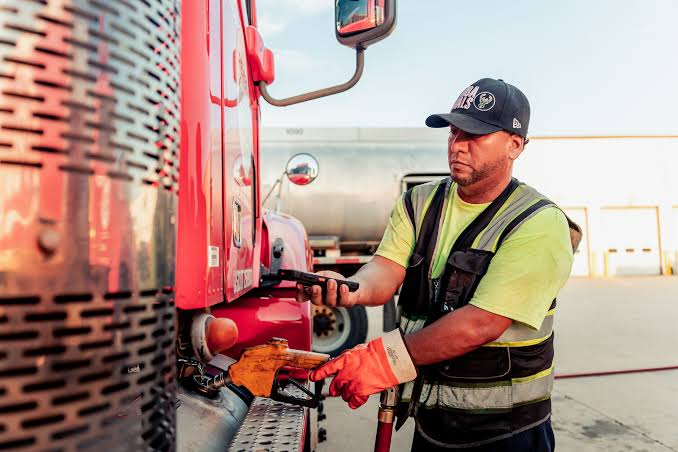
On-site fuel delivery is a service that transports fuel directly to a business, fleet, construction site, farm, commercial property, or other approved location. Rather than requiring workers to drive vehicles or equipment to a fuel station, a specialized delivery truck brings the required fuel to them.
The process is designed to make fuel management easier. A business can arrange a delivery based on its fuel needs, location, equipment, and schedule. The delivery provider then brings the requested fuel and fills the approved tanks, vehicles, or equipment at the site.
This approach can be especially useful for companies that operate large fleets or equipment that is difficult to move. A construction excavator, generator, tractor, or heavy-duty truck may not be practical to take to a traditional fuel station. With on-site fuel delivery, the fuel comes directly to the equipment.
Fuel delivery can also help companies avoid spending valuable work hours on fuel runs. An employee who spends 30 minutes driving to a fuel station is not working on the primary task. When that trip happens repeatedly across a large fleet, the lost time can become significant.
Depending on the service provider, businesses may receive diesel fuel, gasoline, DEF, off-road diesel, or other fuel products. Commercial fuel delivery can also be scheduled on a recurring basis, helping companies maintain a more predictable fuel supply.
How On-Site Fuel Delivery Helps Businesses Save Time
Time is one of the most valuable resources for any business. Fuel-related delays may seem small when viewed individually, but repeated trips to a fuel station can add up quickly. On-site fuel delivery removes much of this unnecessary travel from the workday.
Consider a construction company operating several pieces of heavy equipment. Without mobile fuel delivery, workers may need to transport fuel or move equipment to a nearby station. Both options can create downtime. With a scheduled fuel delivery, the equipment can often remain at the job site while the fuel is delivered.
Fleet operators can experience similar benefits. Trucks and service vehicles can be fueled at a designated fleet location instead of making separate stops. This can simplify daily operations and allow drivers to spend more time completing routes and serving customers.
The convenience becomes even more valuable when a business operates outside normal fuel station hours. Construction projects, transportation companies, warehouses, and emergency operations may run early in the morning, late at night, or around the clock. A commercial fuel delivery service can provide a more flexible way to manage fuel needs.
Mobile fuel delivery may also reduce scheduling problems. A company does not have to coordinate multiple individual fuel runs when fuel can be delivered to a central location. This can make fleet fueling and equipment fueling easier to organize.
Another advantage is reduced interruption. Equipment that runs out of fuel in the middle of a project can bring an entire task to a stop. Having a planned fuel delivery schedule can help prevent these interruptions and support more consistent productivity.
For businesses working under strict deadlines, these time savings can have a direct impact on project performance. Keeping equipment fueled means workers can focus on construction, transportation, maintenance, production, or other revenue-producing activities.
Why Mobile Fuel Delivery Is Useful for Fleets and Equipment
Businesses use many different types of vehicles and machines that depend on reliable fuel access. Managing these fuel needs can become complicated when equipment is spread across several locations.
A mobile fuel delivery service can provide a centralized solution. Instead of having every driver or operator handle fueling individually, a business can arrange deliveries based on its fleet’s usage patterns.
Diesel fuel delivery is particularly valuable for companies that operate heavy-duty trucks and diesel-powered equipment. Transportation fleets, construction companies, agricultural businesses, and contractors often depend on diesel to keep their operations moving.
Construction sites are one example where on-site fuel delivery can provide practical benefits. Heavy equipment such as loaders, excavators, cranes, generators, and other machines may remain on a job site for days or weeks. Moving this equipment just to purchase fuel may be inefficient and costly.
With mobile fueling, the delivery truck can travel to the approved job location and provide fuel where it is needed. This can help reduce equipment downtime and make fuel management part of the normal project schedule.
Agricultural operations can also benefit from fuel delivery. Farms may use tractors, harvesters, irrigation equipment, generators, and other fuel-powered machines across large areas. Driving equipment to a fuel station may not be convenient, especially during busy planting or harvest periods.
Landscaping and property maintenance companies may have another common fuel challenge. Their crews can operate trucks, mowers, generators, and other equipment throughout the day. Keeping vehicles and equipment fueled at a central yard can help crews start work faster and reduce unnecessary stops.
Backup generators are another important use case. Businesses that depend on generators for critical operations need dependable fuel planning. Hospitals, warehouses, data facilities, commercial buildings, and other organizations may require fuel reserves to prepare for outages or emergencies.
In each situation, the basic advantage is the same: fuel is delivered to the place where it is needed. This can simplify operations and give managers more control over their fuel supply.
Fuel quality and proper handling are also important. Businesses should work with experienced fuel providers that follow applicable safety requirements and use appropriate equipment for commercial fueling. Reliable service is not simply about bringing fuel to a location; it is also about delivering it safely and professionally.
Choosing the Right On-Site Fuel Delivery Service
Not every fuel delivery provider offers the same level of service. Businesses should consider several factors when choosing a company for their fuel needs.
Reliability should be one of the first considerations. A fuel provider needs to deliver when promised, especially when a business depends on scheduled fueling to keep vehicles and equipment operating. Consistent service can make fuel planning much easier.
Delivery coverage is also important. Businesses should confirm that the provider serves their operating area and can reach all required job sites, yards, or facilities. A provider with flexible delivery capabilities may be more useful for companies that work at changing locations.
Fuel selection matters as well. Different operations have different requirements. A transportation company may need diesel, while another business may require gasoline or fuel for generators. Some companies may also need diesel exhaust fluid, commonly known as DEF, for modern diesel vehicles and equipment.
Businesses should also ask about delivery scheduling. Some providers offer recurring fuel deliveries based on estimated usage, while others focus on on-demand service. A company with predictable fuel consumption may benefit from scheduled deliveries, while businesses with changing demands may prefer greater flexibility.
Emergency fuel service can be another valuable feature. Unexpected fuel shortages can happen because of increased demand, equipment use, delivery delays, or planning errors. A provider that can respond to urgent fuel needs may help reduce costly downtime.
Safety practices should never be overlooked. Commercial fuel delivery involves specialized vehicles, tanks, hoses, and dispensing equipment. A professional provider should have appropriate procedures for fuel transportation and delivery.
Pricing is another important part of the decision. The lowest advertised price is not always the best overall value. Businesses should consider the complete service, including delivery reliability, convenience, fuel quality, scheduling, customer support, and potential savings from reduced employee travel.
A good provider should also communicate clearly. Customers should know what fuel is being delivered, when the delivery is scheduled, and what requirements apply to the delivery location. Clear communication helps prevent misunderstandings and makes fuel management more predictable.
For larger businesses, it may also be helpful to review fuel usage data. Understanding how much fuel is consumed by each vehicle, machine, or location can help managers create a more efficient delivery schedule.
How On-Site Fuel Delivery Supports Efficient Fuel Management
Effective fuel management involves more than simply having enough fuel. Businesses need to know how much they use, where it is being used, when supplies need to be replenished, and how fuel costs affect overall operations.
On-site fuel delivery can become an important part of this process. When deliveries are scheduled around actual fuel consumption, businesses can maintain a more organized supply without relying on last-minute fuel runs.
Fuel planning can begin by tracking usage. Fleet managers can review how much fuel vehicles consume during normal operations. Construction managers can monitor equipment usage across different job sites. Agricultural businesses can estimate seasonal fuel demand based on planting and harvesting schedules.
This information can help determine how often fuel should be delivered. A business with high daily fuel consumption may require frequent deliveries, while a smaller operation may only need occasional service.
Centralized fueling can also make recordkeeping easier. When vehicles and equipment are fueled at a designated business location, managers may have better visibility into overall fuel consumption. This can support budgeting and operational planning.
Another important factor is fuel security. Keeping fuel supplies organized and monitoring usage may help businesses identify unusual consumption patterns. Proper storage and dispensing practices can also reduce the risk of spills, contamination, and waste.
Businesses should remember that fuel storage and handling may be subject to local, state, and federal requirements. The specific rules can vary based on the fuel type, quantity, storage equipment, and location. Companies should follow all applicable regulations and work with qualified professionals when establishing commercial fueling systems.
Environmental responsibility is also part of modern fuel management. Avoiding unnecessary driving to fuel stations can reduce vehicle miles associated with fueling activities. Proper handling can also help prevent spills and environmental damage.
For companies with multiple locations, a mobile fuel delivery program can provide a centralized approach to fuel planning. Instead of allowing each location to manage fuel independently, management teams can establish consistent procedures for ordering and receiving fuel.
Technology can make this process even easier. Some fuel providers use digital ordering systems, delivery notifications, fuel tracking, and other tools to improve communication. These features can help businesses understand when fuel is being delivered and keep better records.
Ultimately, the goal is simple: keep the right amount of fuel available without creating unnecessary work. A well-managed delivery schedule can support productivity, control costs, and reduce the risk of fuel-related interruptions.
Conclusion
On-site fuel delivery offers businesses a practical way to keep vehicles, equipment, and generators fueled without sending employees on repeated trips to traditional fuel stations. By bringing fuel directly to a job site, fleet yard, farm, commercial property, or other approved location, mobile fuel delivery can reduce downtime and simplify daily operations.
The benefits can be especially valuable for construction companies, transportation fleets, agricultural operations, landscaping businesses, property managers, and organizations that depend on backup generators. Scheduled fuel delivery can make fuel planning more predictable, while emergency delivery options can provide support when unexpected shortages occur.
Choosing the right provider is an important part of the process. Businesses should consider reliability, service coverage, fuel options, scheduling flexibility, safety practices, pricing, and customer support before making a decision.
As businesses look for better ways to manage operating costs and improve productivity, on-site fuel delivery can provide a convenient solution. Instead of making fuel another source of downtime, companies can build delivery into their normal operations and keep their teams focused on the work that matters most.
