

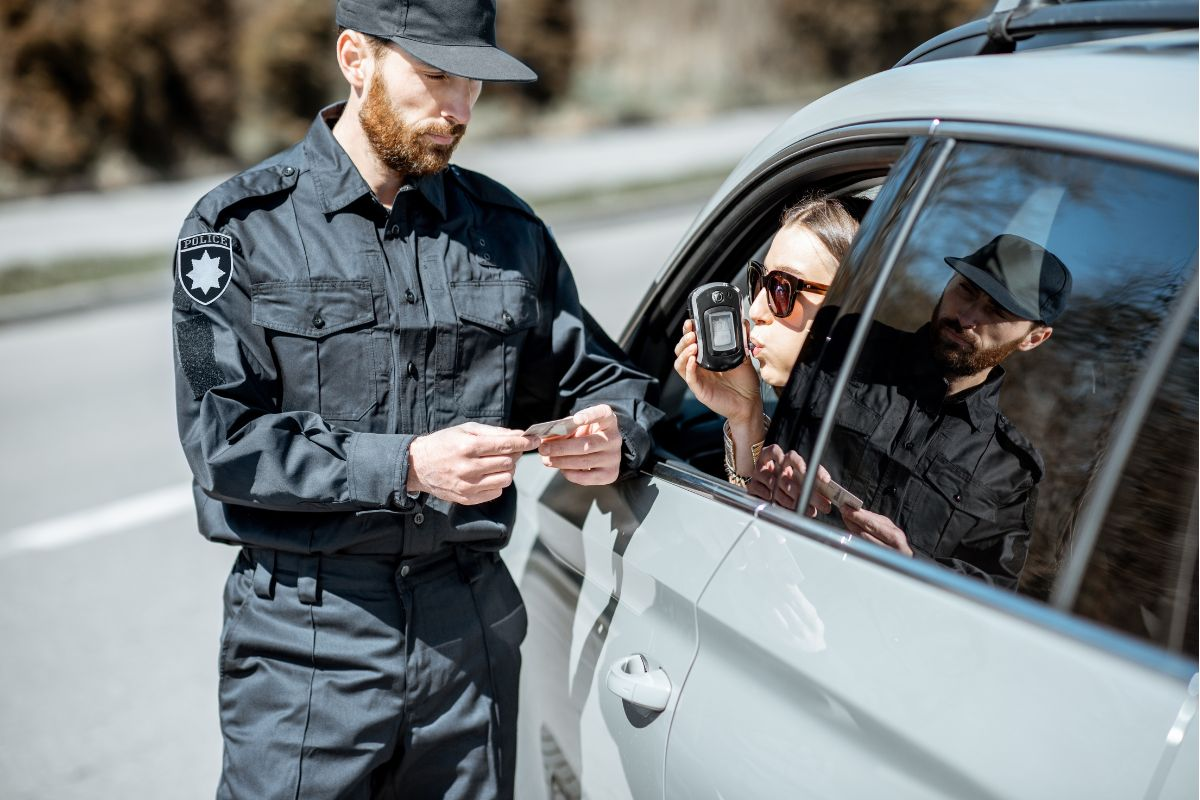
A DWI arrest can be confusing and stressful. In Carteret County, North Carolina, the choices you make soon after an arrest may affect your driver’s license, court case, finances, and future. Knowing what to do next can help you avoid mistakes and protect your legal rights.
If you have been charged with driving while impaired, often called DWI, it is important to understand that an arrest is not the same as a conviction. North Carolina law makes impaired driving a misdemeanor offense under most standard DWI charges, but the possible consequences can still be serious. The law provides different punishment levels based on factors such as prior convictions and circumstances surrounding the offense.
A DWI Defense Attorney Carteret County residents trust can review the facts of an arrest, explain the legal process, and identify issues that may affect the case. This can include the traffic stop, field sobriety testing, chemical testing, statements made during the encounter, and any driver’s license consequences.
What to Do Immediately After a DWI Arrest
The first step after a DWI arrest is to stay calm and avoid making the situation worse. An arrest can create a strong emotional reaction, but arguing with officers, posting about the arrest online, or discussing the details with people who do not need to know can create additional problems. Instead, focus on preserving information and understanding what happens next.
Pay close attention to every document you received from law enforcement. Depending on the circumstances, you may have a citation, notice concerning your driver’s license, paperwork related to chemical testing, or information about a court date. Keep these documents together in a safe place. Do not assume that a court date or license deadline can be ignored simply because you have hired a lawyer.
Contacting a qualified North Carolina DWI lawyer early can also be important. A defense attorney can examine the arrest before memories fade and evidence becomes harder to evaluate. Your attorney may want to know where the traffic stop occurred, why the officer stopped you, what you were asked to do, whether you performed field sobriety tests, whether a breath test was given, and whether blood was drawn.
It is also helpful to write down your own memory of the event while the details are fresh. Record what happened before the stop, where you were driving, what you ate or drank, when you last consumed anything, where the officer approached your vehicle, and what happened after the stop. Do not change or exaggerate anything. A truthful timeline can help your attorney compare your recollection with police reports, videos, test results, and other evidence.
You should also avoid discussing the facts of your case on social media. Posts, messages, photographs, and videos can potentially become part of an investigation or legal proceeding. Even a statement that seems harmless may be interpreted differently when taken out of context.
North Carolina’s DWI law focuses on whether a person drove while under the influence of an impairing substance, had an alcohol concentration of 0.08 or more at a relevant time after driving, or, in certain circumstances, had a Schedule I controlled substance or its metabolites in blood or urine. This means that the details surrounding an arrest matter. A defense lawyer should not assume that the arrest itself proves every element required for a conviction.
Understanding Your North Carolina DWI Charge
A DWI charge in Carteret County is governed primarily by North Carolina law, not by a separate county DWI statute. That means the basic legal rules are statewide, although the practical court process can depend on the local court and circumstances of the case.
North Carolina General Statute 20-138.1 defines impaired driving and states that the offense is a misdemeanor. The statute identifies several ways the State may allege impaired driving, including driving while under the influence of an impairing substance or having an alcohol concentration of at least 0.08 at a relevant time after driving.
One important point is that a DWI case is not decided only by looking at a breath or blood number. The State may rely on other evidence, including an officer’s observations and evidence related to impairment. For that reason, a DWI defense lawyer may examine the entire encounter rather than focusing on a single test result.
The traffic stop itself may deserve close review. An attorney can ask whether the officer had a lawful reason to stop the vehicle and whether the investigation developed in a legally proper way. The lawyer may also examine how long the stop lasted and what occurred before the officer began investigating possible impairment.
Field sobriety testing may also become important. Officers can use observations from these tests as part of their investigation. However, the circumstances surrounding the tests matter. Weather, road conditions, footwear, lighting, physical limitations, instructions, and the officer’s ability to properly administer and interpret the exercises can all be relevant depending on the facts.
Chemical testing is another major part of many DWI cases. North Carolina has an implied-consent law addressing chemical analysis and license consequences related to refusal. State law also provides for immediate civil license revocation in certain circumstances.
Because license issues can move on a different track from the criminal case, someone arrested for DWI should not assume that resolving the criminal charge automatically resolves every driver’s license issue. The North Carolina Division of Motor Vehicles explains that limited driving privileges may be available in some situations, depending on the applicable law and the person’s circumstances.
This is one reason speaking with a DWI Defense Attorney Carteret County residents can rely on soon after an arrest may be valuable. A lawyer can separate the criminal case from administrative license issues and explain which deadlines require attention.
Why a DWI Defense Attorney Should Review the Evidence
A DWI defense is built around evidence. Police reports provide one version of events, but they may not contain every detail that could matter in court. A defense attorney can investigate whether the available evidence supports the State’s allegations and whether legal or factual issues may provide grounds for challenging the charge.
Video evidence can be particularly useful. Depending on the arrest, there may be dashboard-camera footage, body-camera recordings, jail footage, or video associated with a chemical testing facility. These recordings may help show what was said and done during the encounter. They can also provide context that is difficult to capture in a written report.
An attorney may also examine chemical test procedures. The reliability and admissibility of testing can depend on the circumstances and applicable legal requirements. North Carolina law contains specific provisions governing chemical analysis in impaired driving cases.
The timing of a test can matter as well. A test result is evidence concerning alcohol concentration at a relevant time, but the circumstances of the test and the surrounding evidence still need to be considered. A lawyer can review the test records and determine whether further investigation is appropriate.
Prior driving history can also have an important effect on sentencing. North Carolina’s DWI sentencing statute requires a sentencing hearing after a conviction and directs the court to consider grossly aggravating, aggravating, and mitigating factors. Certain prior impaired-driving convictions within seven years can count as grossly aggravating factors.
That does not mean every person with a prior conviction receives the same outcome. The court considers the factors that apply to the individual case. North Carolina law also identifies mitigating factors, which can include a safe driving record, slight impairment under specified circumstances, and other facts that reduce the seriousness of the offense.
A strong DWI defense strategy therefore requires more than simply asking whether someone “failed” a test. It requires looking at the complete record and asking whether the evidence is accurate, legally admissible, and sufficient to support the charge.
Protecting Your Driving Privileges and Preparing for Court
For many people, losing the ability to drive can be one of the most difficult consequences of a DWI arrest. Work, school, childcare, medical appointments, and everyday responsibilities may depend on having a valid driver’s license.
North Carolina law provides for license consequences in connection with impaired driving and chemical-test refusal. In some circumstances, a person may qualify for a limited driving privilege, but eligibility depends on the specific legal requirements that apply.
Because these rules can be complicated, do not assume that you can continue driving simply because you have not yet been convicted. Likewise, do not assume that a suspension means you can never drive. The correct answer depends on the type of revocation or suspension, the facts of the case, prior history, and applicable law.
Preparing for court should begin early. Your attorney may review the charging documents, police reports, chemical test records, driving history, and available video evidence. You may also need to discuss potential witnesses or other evidence that could help explain what happened.
It is important to follow your attorney’s instructions and attend required court proceedings unless your lawyer tells you otherwise under the rules that apply to your case. Missing court can create additional legal problems.
You should also be careful about making decisions based solely on the idea that a DWI charge is “just a misdemeanor.” North Carolina’s sentencing system can impose different punishment levels based on the facts of the case. The law provides for specific sentencing considerations, including grossly aggravating and mitigating factors.
A DWI Defense Attorney Carteret County defendants can consult can help explain what those factors mean in the context of a particular case. Your attorney can also discuss whether the case may be challenged, negotiated, or taken to trial. There is no single strategy that is appropriate for every DWI arrest.
It is equally important to be honest with your lawyer. Tell your attorney the facts, including facts you believe may hurt your case. Attorney-client confidentiality generally allows you to discuss sensitive information with your lawyer so the lawyer can provide informed legal advice. Your attorney cannot properly evaluate a case if important facts are withheld.
How to Choose a DWI Defense Attorney in Carteret County
Choosing the right attorney after a DWI arrest is an important decision. You want someone who understands North Carolina impaired-driving law and has experience handling DWI cases in the local court system.
Start by asking about the lawyer’s experience with DWI defense. A general criminal defense practice may handle many different charges, but impaired-driving cases have their own rules involving chemical testing, license consequences, sentencing factors, and evidentiary issues. Experience with these issues can be valuable.
Ask how the attorney approaches evidence. A good consultation should give you an opportunity to learn whether the lawyer plans to review the traffic stop, officer observations, field sobriety testing, chemical analysis, video, paperwork, and your driving history. Be cautious of anyone who promises a guaranteed result. No ethical attorney can guarantee that a DWI charge will be dismissed or that you will avoid every possible consequence.
Communication is another important consideration. You should understand how to contact the attorney, what happens after the initial consultation, and what information the lawyer needs from you. Clear communication can reduce confusion during a stressful legal process.
Local knowledge can also be helpful. Carteret County cases move through the North Carolina court system, and familiarity with the local courthouse and procedures may help an attorney manage the practical side of the case. However, the most important consideration remains the attorney’s qualifications, experience, preparation, and ability to develop a defense based on the facts.
Remember that legal information found online is general information, not personalized legal advice. North Carolina law can change, and the right strategy depends on the facts of your individual case. The North Carolina General Assembly’s online statutes provide current statutory information, while the North Carolina Division of Motor Vehicles provides information about license suspensions and related requirements.
If you were recently arrested, the most useful first move is to gather your paperwork, protect important evidence, avoid discussing the case publicly, and speak with a qualified DWI defense lawyer. Acting promptly gives your attorney a better opportunity to identify deadlines, review evidence, and explain your options.
Conclusion
A DWI arrest in Carteret County does not automatically mean a conviction, but it should be taken seriously. The first days after an arrest can be important because both the criminal case and driver’s license issues may require attention. Understanding your charge, preserving evidence, avoiding unnecessary statements, and getting legal advice early can help you make informed decisions.
A DWI Defense Attorney Carteret County residents choose should carefully examine the traffic stop, field sobriety testing, chemical testing, police reports, video evidence, driving history, and other facts that may affect the case. North Carolina’s DWI laws contain detailed rules about impairment, chemical testing, license consequences, and sentencing, so a case should be evaluated on its specific facts rather than assumptions.
If you or someone close to you has been arrested for DWI, do not wait until the court date to start preparing. Gather your documents, learn about your legal options, and consult a qualified North Carolina DWI defense attorney who can evaluate the circumstances of your arrest and explain the next steps.
