

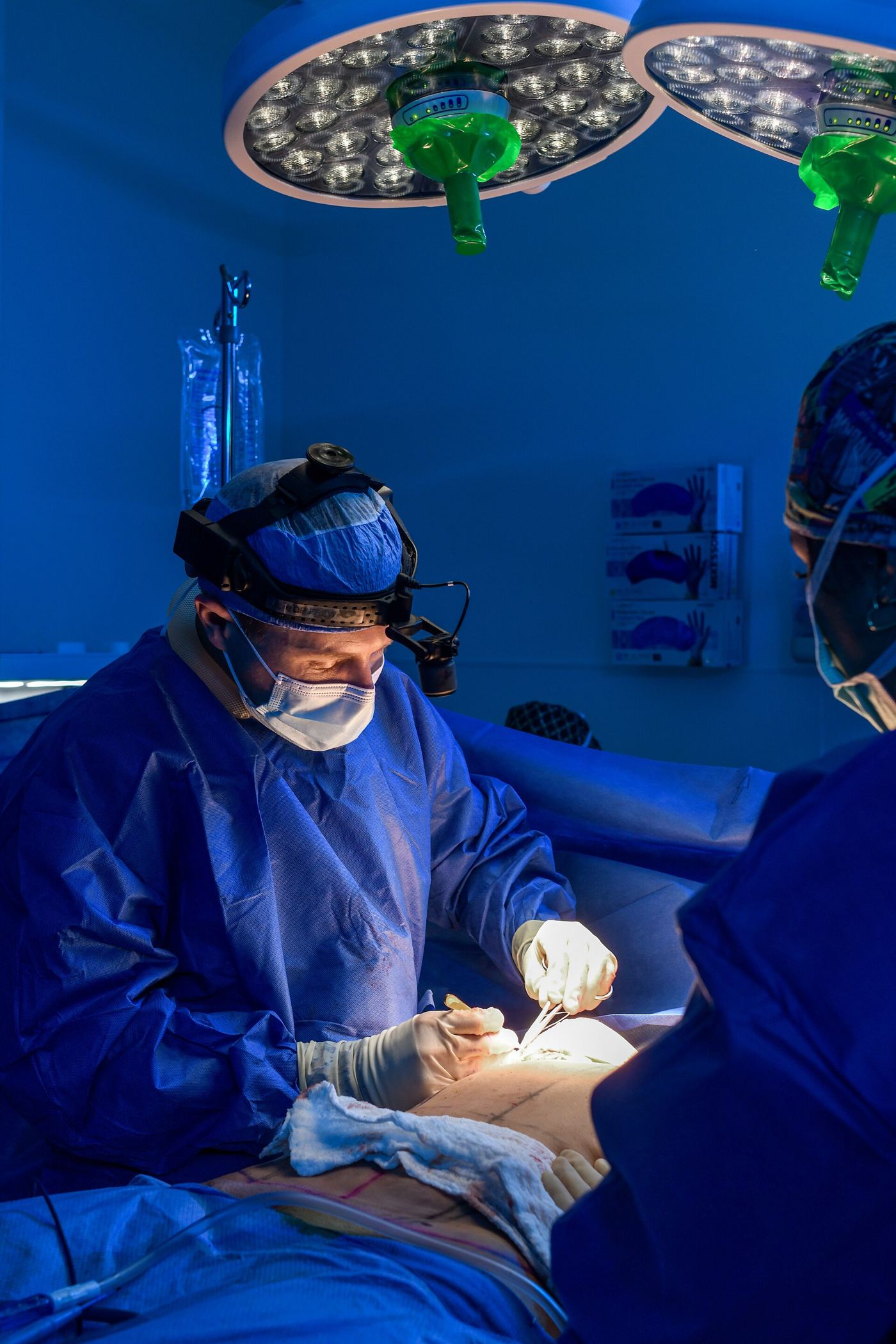
Some operations demand a steadier hand than any human can manage for hours at a time, working through a small incision on delicate tissue deep inside the body. Robotic surgery systems are designed for exactly that work. The surgeon sits at a console, looking at a magnified three-dimensional view of the operating area, and moves hand controls that guide robotic arms holding the instruments. The system filters out the natural tremor of the human hand and can scale down large movements into tiny, precise ones. It also lets the surgeon work through smaller incisions than traditional surgery, which usually means less bleeding, less pain and a faster recovery for the patient. Hospitals are using the systems for a growing range of operations, from removing tumours to repairing heart valves. Training takes time, and surgeons must complete many supervised procedures before operating alone. The console also gives the surgeon a close-up view that the naked eye could never match, revealing fine blood vessels and nerves in sharp detail.
What the Evidence Shows
The systems are expensive, and that limits where they are available. A single unit can cost as much as a small hospital wing, and each operation uses disposable instruments that add to the bill. Critics ask whether the benefits justify the price, since for many operations the results are similar to those achieved by a skilled surgeon working without a robot. Supporters point to operations where the robot’s precision clearly helps, and to the smaller scars and shorter hospital stays that follow. Engineers are working on smaller and cheaper systems, including ones that could be used in hospitals that cannot afford the large machines. Researchers are also adding features such as sensors that warn the surgeon when tissue is under strain. The technology is unlikely to replace surgeons, but it is steadily becoming another instrument in their hands. Reporting and analysis from sources such as IEEE Spectrum track the same developments, and specialists following the robotic surgical arms say the direction is now consistent across independent lines of evidence.
The Wider Context
Adoption of the robotic surgical arms follows a familiar pattern with an unfamiliar speed. Early users tolerate rough edges in exchange for advantage, mainstream users arrive when the tool disappears into existing workflows, and the market consolidates around whoever made that transition feel effortless. Vendors are racing less on raw performance now than on integration, support and trust.
What Happens Next
The realistic forecast for the robotic surgical arms is steady integration rather than sudden replacement: embedded in products people already use, improving in increments, and regulated in proportion to its reach. The companies and institutions that plan on that basis, training staff and redesigning processes instead of chasing launches, are the ones the adoption data tends to vindicate. You can follow related developments in our coverage of technology.
It is also worth remembering how quickly the picture in this area has changed before. Positions that looked settled a few years ago have been revised as new data arrived, and the same humility is appropriate now. The strongest coverage of this subject, and the most useful advice, tends to come from sources that update their views openly when the facts move, rather than defending an earlier position long after it has stopped fitting the evidence available.
