

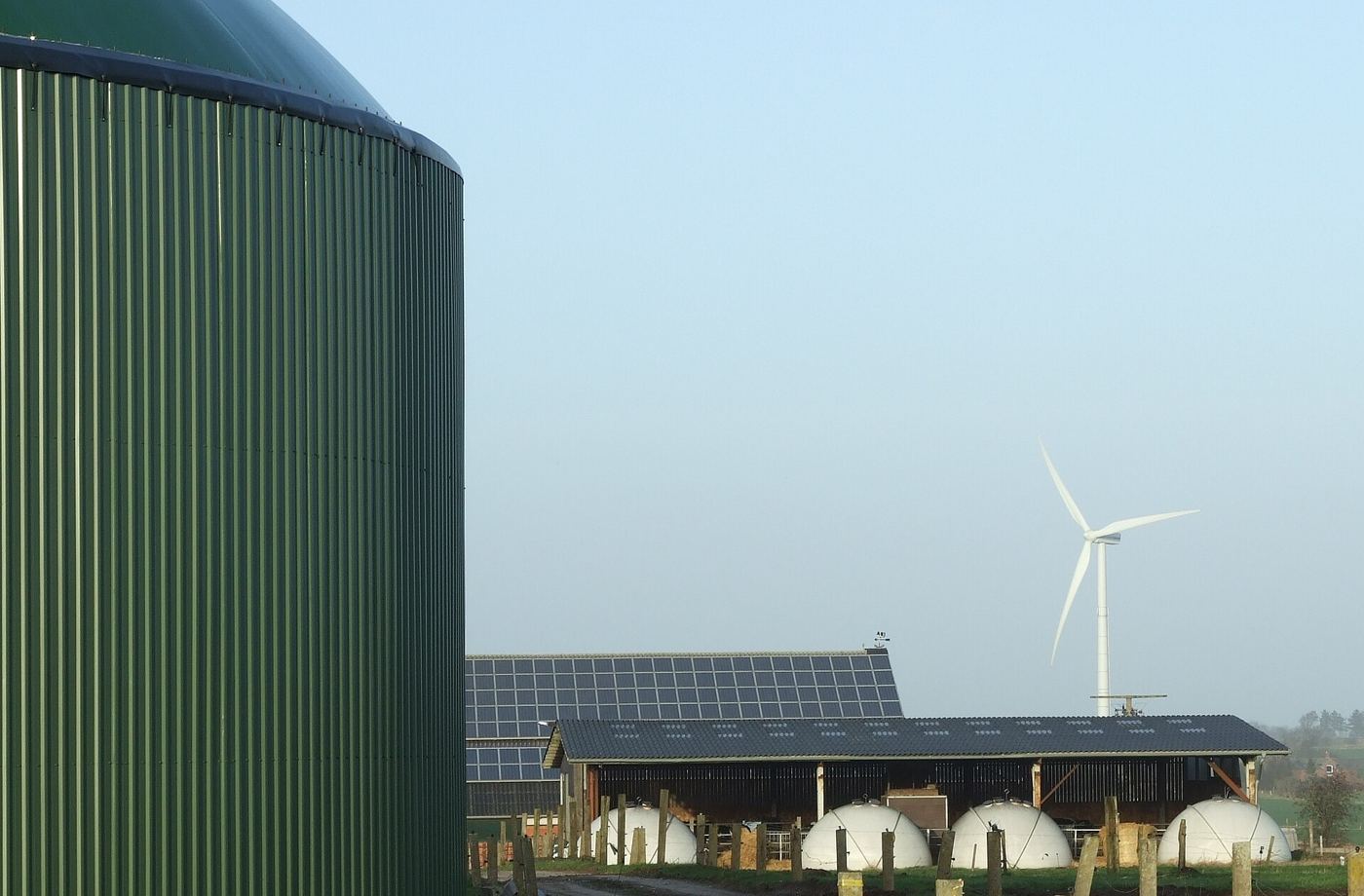
Wind and solar power are clean, but they arrive on nature’s schedule rather than ours. The wind may blow hardest at night when demand is low, and the sun sets just as people switch on their lights. A smart grid is the system that balances that mismatch. Sensors and software watch supply and demand across the network in real time, and when the wind drops in one place the grid can draw power from batteries, shift demand to a sunnier region, or ask flexible users such as electric car chargers to pause for an hour. The result is a network that can run mostly on renewables without the blackouts that critics once predicted, and countries with large wind and solar fleets are now depending on it. The shift is already visible in countries with large wind fleets, where on windy nights electricity prices can fall to almost nothing, and on calm evenings the grid draws on batteries charged earlier in the day. Grid operators say the balancing act gets easier as more storage and flexible demand join the system.
What the Evidence Shows
The technology is a mix of hardware and habit. Grid operators are installing batteries the size of shipping containers, building new transmission lines and paying factories to use power when it is plentiful. Households are joining in too, with smart meters and tariffs that reward running a washing machine when the wind is strong. The challenge is scale, since a grid that balances itself minute by minute needs reliable communication and software that cannot fail. Engineers also warn that the system must be protected from cyber attack, since a grid that answers to software can be attacked through software. Even so, energy experts say the smart grid is what makes a renewable future practical. The rollout depends on new cables and substations as well as software, since power must physically travel from where it is made to where it is needed. Planners say the grid will need decades of investment, but that each year of delay makes the transition more expensive. Reporting and analysis from sources such as IEEE Spectrum track the same developments, and specialists following the smart electricity grids say the direction is now consistent across independent lines of evidence.
The Wider Context
Adoption of the smart electricity grids follows a familiar pattern with an unfamiliar speed. Early users tolerate rough edges in exchange for advantage, mainstream users arrive when the tool disappears into existing workflows, and the market consolidates around whoever made that transition feel effortless. Vendors are racing less on raw performance now than on integration, support and trust.
What Happens Next
The realistic forecast for the smart electricity grids is steady integration rather than sudden replacement: embedded in products people already use, improving in increments, and regulated in proportion to its reach. The companies and institutions that plan on that basis, training staff and redesigning processes instead of chasing launches, are the ones the adoption data tends to vindicate. You can follow related developments in our coverage of technology.
It is also worth remembering how quickly the picture in this area has changed before. Positions that looked settled a few years ago have been revised as new data arrived, and the same humility is appropriate now. The strongest coverage of this subject, and the most useful advice, tends to come from sources that update their views openly when the facts move, rather than defending an earlier position long after it has stopped fitting the evidence available.
